
Regency Romance – A Regrettable Reputation – an excerpt

A Regrettable Reputation (Book Two of the Light Division Romances)
A novel of Regency Yorkshire

A Regrettable Reputation is a love story, set in Yorkshire in the year after the Battle of Waterloo.  The Duke of Wellington is still in France with the Army of Occupation, and at home it is a time of change, of the Industrial Revolution and of social upheaval, especially in the textile towns of the north which are rapidly growing into cities.

Nicholas Witham is a former officer of light infantry, seriously wounded at Waterloo, who has found employment as a land agent managing the Yorkshire estate of Lord Ashberry.  Into his peaceful, well-ordered life comes Camilla Dorne, a woebegone heiress whose elopement ended in disaster and disgrace and who has been sent away from London with her reputation in tatters.  Before long the very respectable Mr Witham realises that Camilla is not at all what he might have expected, while Camilla begins to realise that the loss of her reputation might not be the disaster she had thought.

A Regrettable Reputation is the first of the Light Division romances, a series which follows the fortunes of some of the officers and men of the Light Division beyond Waterloo.  It features several characters from the Peninsular War Saga.  The second book in the series, The Reluctant Debutante, is also available on Amazon in kindle and paperback.

The hiring fair and market took place on a the Horse Fair which was a large field just to the east of the market square. There was a full market in the town as local farmers and traders took advantage of the increased business, and it spread along the high street and spilled out onto the field. The town was packed with people from all walks of life and Nicholas wondered for a moment if he had been wise to bring the girl. He drove down to the Red Lion and handed over his curricle to the grooms, glancing at her face. She was looking around, bright eyed and interested and he remembered that she had spent much of her life in the crowds and noise of London and was unlikely to be overawed by a country fair.
He helped her down and turned to Taggart to give him his instructions then offered his arm to the girl. They strolled into the throng, pausing occasionally to look at a stall.
“We’ll walk down to Mr Arnold’s place of business, if you don’t mind. I shouldn’t be with him longer than half an hour, his maid can give you tea while you wait,” Nicholas said. “After that we can go over to the hiring fair and see what we can find and then we can do our shopping. Is there anything you particularly need?”
She shook her head, smiling. “No indeed. It’s just such a joy to be out in the world again. Thank you for this, Mr Witham, I had not realised how much I had missed it.”
Nicholas smiled. “You’re too young to be a hermit,” he said. “We should, however, be prepared for a little curiosity. Should we meet an acquaintance I propose to introduce you as a guest staying at the hall. Nobody will ask more than that, no matter how curious they are.”
“Don’t you mind?”
Nicholas laughed. “Curiosity? Not really. I spent so long in the army which is a surprisingly closed community, especially in the Peninsula. We all knew far too much of each others business, it was impossible not to. Sometimes it could be exasperating, but it certainly inures one to gossip and busybodies.”
“I am not sure I am ever going to become accustomed to being the object of that kind of attention,” Camilla said. “But I should not complain; I did it to myself.”
Nicholas glanced sideways at her. She seemed perfectly composed but he could sense the unhappiness behind her calm exterior. “It isn’t my place to say so, Miss Dorne. I know so little of the circumstances and it is not my business. But if something of the kind happened to one of my sisters I would be asking a lot of questions about my mother’s chaperonage of them. You may have made a mistake but at your age that is to be expected. There are several other people who should share in the blame.”
Camilla looked up at him quickly, a blush staining her cheek. “Thank you. You are so kind to me.”
“It isn’t difficult. Here we are.”
The lawyer’s office was situated in a tall Georgian building with long windows and colonnades outside. A maid admitted them and led them upstairs where Mr Arnold himself came to greet them. He was a bewhiskered gentleman in his fifties with a friendly smile and he shook Nicholas’ hand and regarded Camilla with polite surprise.
“Mr Arnold, may I introduce you to Miss Dorne? She is a guest at the hall, recovering from an indisposition with the help of good country air and Yorkshire food. She has accompanied me today as she is in need of a new abigail. I was wondering if your housekeeper could give her some tea while we conduct our business.”
“Indeed she shall. A pleasure to meet you, Miss Dorne. I am sorry to hear that you have been unwell, but a stay in the country is just the thing, you’ll be feeling yourself in no time. I shall ring for Mrs Cobb. Will you be at Ashberry long?”
“I am unsure,” Camilla said. “Thank you, you are very good.”
“No trouble at all for such a pretty young lady. Are you fit for company yet? You must tell me you are, I insist upon it. We’ve a small party planned for Tuesday next, nothing formal, just a few friends. I’ve a daughter you know, recently married, can’t be much older than you. I was going to invite Mr Witham here, but we should be very happy if you would join us.”
Camilla coloured. “That is so kind, sir, but I should not wish to trouble you. As yet I have no duenna with me since I have not been going into company…”
“Nonsense!” Mr Arnold said robustly. “That sort of stuff may be important in London but we aren’t so formal here. My wife will happily act as chaperone for the evening, and Witham here can bring you in the carriage with your maid. There now, it’s all settled.”
Seated in Mr Arnold’s office, Nicholas moved quickly on to business and the lawyer did not object. The matters were not complex and did not take long. When they were concluded, Arnold rose and went to pour sherry.
“It’s going well up there,” he said, handing Nicholas a glass. “I wonder if Lord Ashberry has any idea how much money you’re saving him since you took over. You’re a good manager, lad.”
Nicholas smiled and raised his glass. “Thank you, sir. Perhaps it’s due to living on an officers pay for so long.”
Arnold laughed. “Well I hope he realises what a good bargain he made, taking you on. And now he’s got you nursemaiding a young lady of doubtful virtue.”
Nicholas raised his eyebrows. “You know?”
“Aye. His lordship wrote to me. Thought I should be aware.”
“Then I’m surprised you issued that invitation, sir. I won’t have her embarrassed.”
“Don’t you know me better than that, lad? It’s a disgrace, sending a chit of that age to live alone. Good idea, the story about an illness? Yours?”
“Yes. I had to come up with something. And she wasn’t well when she got here so it’s partly true.”
“Well people are going to gossip, lad. But it will be worse if she hides herself away. I’ve no objection to meeting the girl. Everyone deserves a second chance. And somebody will give her one; there’s a tidy portion when she’s twenty five and a nice little estate in Surrey, I’m told.”
“You seem to know more about it than I do, sir.”
“She might suit you.”
Nicholas felt himself flush. “Is that what you think of me, sir? That I’d take advantage of a vulnerable girl in her position for money?”
“No, lad. But Sir Edward Penrose is lucky you’re not. Like I said, it’s a disgrace, sending that child here alone. He knows nothing about you, could have been another ne’er -do-well like Seymour.”
“Is that what he was?”
“So I’m told. Militia officer, no money, some minor branch of an old Wiltshire family. You know the full story?”
Nicholas shook his head. “No. Do I want to?”
“Perhaps you should and the girl can’t tell you. He’d been after her for months but rumour has it she wasn’t as easy as he thought. In the end he approached her stepfather and got the flea in his ear that he deserved. He’d got a reputation, not the first heiress he’d dangled after.”
“I imagine not. I doubt that his first choice would have been to wait seven years for her to come into her fortune.”
“No. Although I think once she’s married the Trustees have some freedom to grant an allowance, perhaps even the right to live at her house. Not sure about the arrangements. Anyhow, once Penrose had forbidden him to speak to her at all it must have got easier to persuade her I suppose. She agreed to an elopement. They set off for the border. Penrose followed them.”
“And caught up with them. Fortunate, I suppose.”
“Wasn’t it? Except that luck wasn’t involved. That bastard Seymour had sent a message telling him where to find them. Penrose arrived to find him in bed with her. Walked in on them in an inn bedroom.”
“Oh no,” Nicholas said softly.
“Aye. Poor lass. It was staged, of course, to push up the price. He wanted money to go away and leave her alone. Couldn’t wait for the trust to be up, he’d debts. Penrose didn’t want to pay. They negotiated and eventually came to a price. He bought Seymour a decent commission in a cavalry regiment and paid his debts, gave him a bit extra. Seymour took the lot and then spread the story all round London, including details of how they’d been discovered. Sheer spite because he didn’t get what he’d asked for.”
“Dear God. And then he sent her up here without even an abigail to keep her company? What the hell is wrong with him?”
“A fair few things, I’m told. Penrose has two daughters he’s keen to establish well, and if rumour is true he’s got his eye on a pretty little widow of his own with a nice fortune. He inherited from his second wife but not as much as he’d hoped, most of it is in trust for the girl. I suppose he wanted to disassociate himself and his girls as quickly as possible.”
“Yes. Well if I were his pretty widow it would make me take a very long hard look at how he treats a vulnerable woman. Useful information in making her choice, I’d say.”
Arnold laughed and refilled the two glasses. “You’ve taken a liking to her, haven’t you, lad?”
“I suppose I have,” Nicholas admitted. “I hardly know the girl but I like what I’ve seen of her. She’s coped very well, considering. Seems willing to make the best of a bad situation. She’s started working with Taggart on some of our promising youngsters, she’s a capital horsewoman and has excellent hands. And she doesn’t mope or complain although I think she has a right to. I think a girl with her attitude deserves something better.”
“You think Penrose should have paid him what he asked? Is that what you’d have done?”
Nicholas shook his head. “No. I’d have beaten the living shit out of him for daring to put his hands on my daughter and made sure he knew I’d do it again if he opened his mouth about it. But don’t ask me, sir, I’m an army man, we always resort to violence.”
Arnold laughed aloud. “Might have been better for the girl. It’s odd. I look at you and I see a well brought up lad with good manners and a nice attitude and I can’t for the life of me imagine you killing anybody.”
“Can’t you?” Nicholas drained his glass and got up. “Well I have, sir. Hope never to have to do it again, but I’m not sure I’d see the likes of Seymour as a great loss to the world. It’s a shame he’s in the dragoons. I’d like to see him serving under my old commander for a week or two.”
“No longer?”
“Oh he wouldn’t last any longer, the general would have killed him. Thank you for this. Are you sure I’m all right to bring her next week?”
“Of course you are. Get her a respectable abigail. And I’ll give some thought to how we manage to make it look as though she has a duenna. Good thing you’re at the Dower House but it’s still not ideal. Go and find her and take her shopping.”
Nicholas found Camilla in conversation with Mrs Cobb, the housekeeper. He had noticed before that she had very easy manners with the servants and with the exception of Mrs Hogan, the staff at Ashberry Hall had taken her to their hearts. Even the grooms had nothing but good to say about Miss Dorne. Nicholas offered her his arm with a smile.
“Come along, let’s walk down to the fair.”
The hiring fair was new to Camilla. She had heard about them, but growing up in London was more accustomed to staff arriving through the employment agencies which were springing up around the city. She looked around with interest at the different groups of people, men and women, who had come looking for work. The various types of labourers and servants stood together, wearing or carrying some item which would indicate their particular trade or skill. Shepherds used bunches of wool, housemaids a sprig of broom, milkmaids carried a milking stool.
“What are the ones wearing the ribbons on their coats?” she asked.
“They’ve already been hired. Come on, I said I’d meet Taggart over by the western bridge.”

(From A Regrettable Reputation by Lynn Bryant)

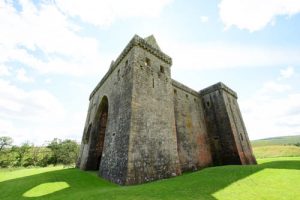
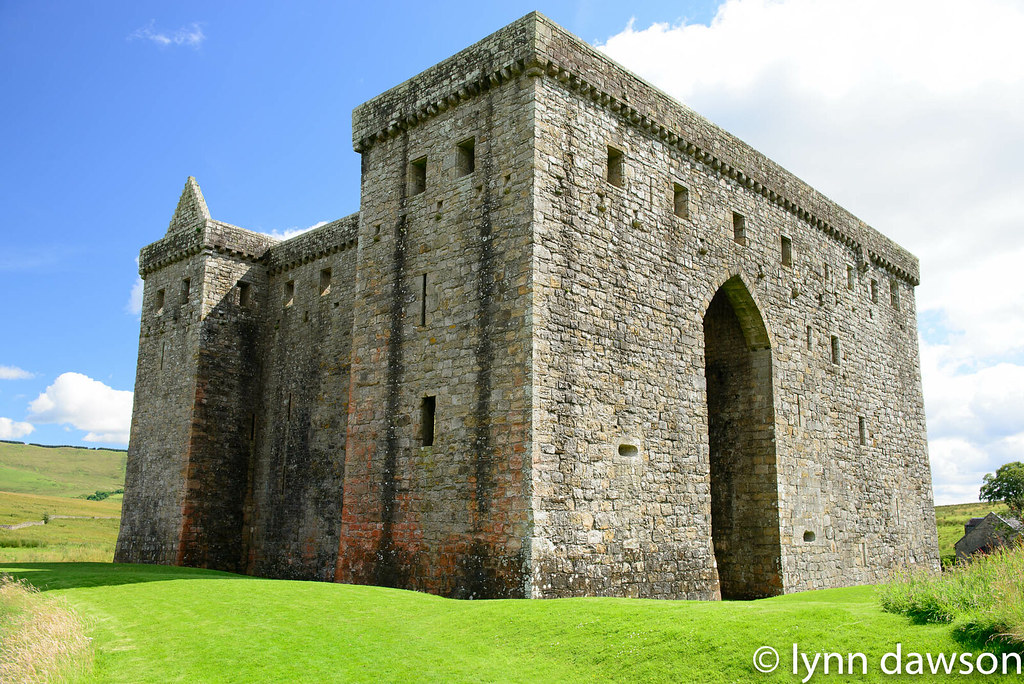
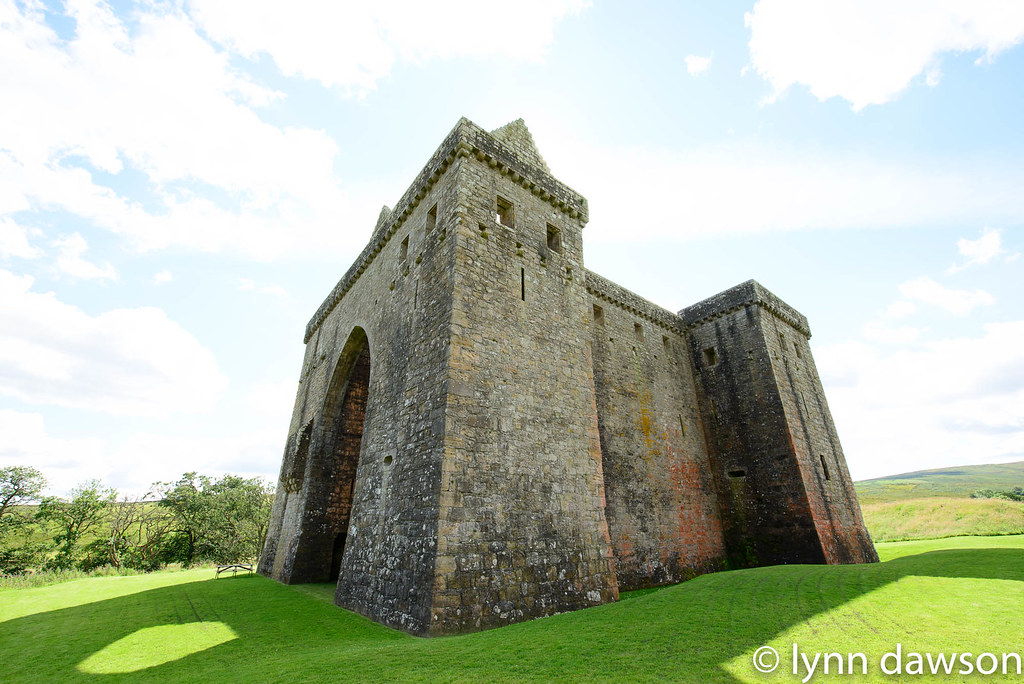
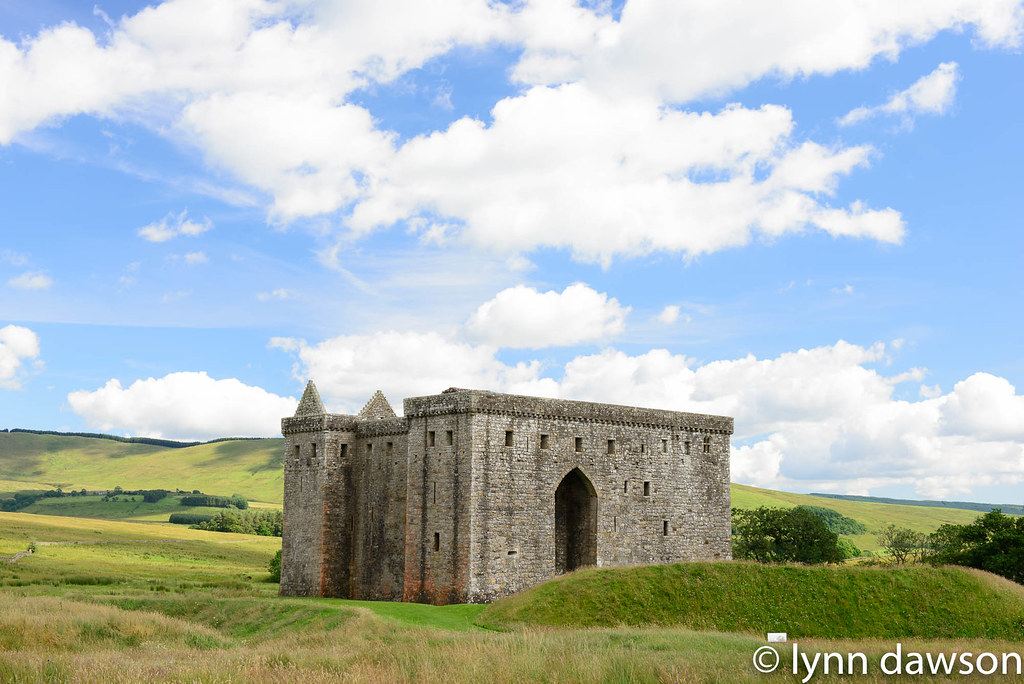
Jervaulx Abbey, Yorkshire
A Respectable Woman – excerpt from the novel

A Respectable Woman - the history
A novel of Victorian London: book 1 in the Alverstone Saga

A Respectable Woman was the first full novel I wrote and the first to be published.  It is set outside my normal time period of the Napoleonic wars, in the Victorian era and tells the story of Philippa Maclay, a young woman who finds herself orphaned and penniless in an era which was unforgiving to a middle class woman who needed to earn a living.

Much has been written about the plight of women in the days when there were very few respectable occupations open to a girl other than marriage.  Marriage is not an option for Philippa when she loses her father and her home after an attack by a slave band on the African mission station where she grew up.  Middle class women left without means of support could become a governess or a companion and maintain their respectability but they were vulnerable to losing their jobs.  They were also expected to behave with the utmost circumspection and any hint of immorality was likely to see them turned off without a character.  Women could – and did – sometimes find themselves destitute and the Victorian sex trade had it’s share of girls from good families fallen on hard times.

Those fortunate enough to keep their jobs were not always in a happy position socially.  They were caught between social classes, a cut above the servants but not welcome in the drawing rooms and parlours of their employers.  They were also, especially if young and inexperienced, potentially at risk from exploitation from predatory males; this has been a device of endless romantic novels.

Philippa is fortunate enough to have been offered a position teaching at a charity school in East London and has come to love the work but her temperament is not well suited to the rigid rules of society.  She was not raised to be a lady and she resents the constraints placed upon her.  In particular she refuses to give up her friendship with Kit Clevedon, a well-born army officer whom she met in Africa, despite knowing that it could ruin her.  Kit himself has very definite ideas about Philippa, none of which include marriage, but he has come to value the friendship which is all she is willing to offer.

The school depicted in the novel is based on Raines Foundation School in East London which was my school back in the seventies, and anybody familiar with the school will recognise the location as the Arbour Square building.  The running and organisation of Wentworths School is based on original material about Raines from local archives.  This included Founder’s Day, a tradition celebrating the birth of Henry Raine which was still in existence when I left school in 1980. 

The girls were noisier than usual, caught up in the excitement of the day, and Miss Chadwick was more lenient than she might have been. It was better, she pointed out to Miss Bentley, when she complained, that they work off some of the excitement before their visitors arrived, than during the celebrations. Morning school was cut short by an early meal of bread and cheese, and then the girls lined up, immaculate in their blue cloaks and bonnets, for the walk to the church.
Most of the dignitaries had already arrived when the school party filed into the church, and quietly took their places in the pews allotted to them. Mr Duncan began the service with a hymn and a prayer, and then various members of the Board filed up to the lectern to read, to lecture or to pray. Philippa allowed her attention to wander, and moved her eyes idly over the congregation. By now she recognised most of the Board members and their wives. One or two had brought their children with them, expensively dressed and every bit as bored as the Wentworths girls by the tedious speeches and moralising. Philippa wondered what they thought of being dragged to this event, to watch children whose lives were so far removed from their own.
Mr Wentworth sat at the front, and beside his wife sat a tall dark lady, demure in grey, who must be Lady Alverstone. On the other side of her was a tall young man in military uniform. Philippa stared in growing astonishment and horror. She could only see the back of his head, but she did not need him to turn round to recognise Kit Clevedon’s chestnut hair. What he was doing here, she could only guess. Lady Alverstone, of course. Had he not said that his mother was addicted to good works? That would explain, Philippa thought furiously, how her Ladyship had come to hear about the school.
Philippa glanced around. Tony was sitting alongside Mrs Duncan at the front. There was no way of knowing if he would make any connection between the young officer so gallantly escorting his mother, and Philippa’s supposed lover. But once he heard Kit’s name, as he surely would, he would know. Silently fuming, Philippa awaited the end of the service.
There was no conversation as the girls filed out of the church and through the churchyard to the imposing marble tomb, which marked the final resting place of Oliver Wentworth. Prayers were said, and then Mr Wentworth, Miss Chadwick, and one of the girls each stepped forward and placed a wreath on the tomb. After that, the girls formed up to be marched back to school, and the visitors meandered more slowly through the sunlit churchyard to their carriages, to be conveyed back for tea.
Philippa would have accompanied them, but Miss Chadwick, who was escorting the guests to their carriages, detained her. Miss Grafton and Miss Bentley marched off, both backs rigid with indignation at the favour shown the younger mistress, and Amelia drew Philippa forward.
“You will remember Miss Maclay, Mr Wentworth.”
“Of course I do!” Mr Wentworth said, with unusual heartiness. “I hear nothing but praise for you, Miss Maclay, from all sides. We were fortunate to find you. Miss Chadwick, allow me to introduce you to Lady Alverstone, who has been kind enough to show interest in our little school. And this is Major Clevedon, her son, who is her escort today.”
Lady Alverstone held out a friendly hand. “Miss Chadwick, I am impressed with your pupils, and can not wait to see your school.” The pleasant grey eyes moved to Philippa, and Lady Alverstone reached out her hand again. “And Miss Maclay. Although we’ve never met, I know what a debt of gratitude I owe to you.”
Speechless with embarrassment, Philippa bobbed a small curtsey and took the older woman’s hand. She was aware of the puzzlement on the faces of those around her, and although she could not see his face, she could feel Tony Marshall’s outrage behind her, as his nimble brain assimilated the facts.
Lady Alverstone turned to Mr Wentworth. “Many years ago, during his service in Africa, my son visited the mission station run by Miss Maclay’s late father. He was attacked by a lion, and wrote to tell me that only the courage and presence of mind of Miss Maclay saved his life. I shall always remember that.”
Philippa found her voice at last. “I think the Major may have exaggerated my services a little, ma’am,” she said.
“Not at all,” Kit said, holding out his hand. “As well you know, Miss Maclay. It has been a long time. Too long.”
She was obliged to take his hand. Anger lent her courage, as always. Lifting her chin she met his laughing green eyes steadily.
“Certainly, sir. And so much has happened in between.”
“Well, well, Miss Maclay!” Mr Wentworth was positively jovial now. “It seems you have been too modest. Come, come, there is no need for either of you to walk back to the school. There is space in our carriage.”
Back at the school, lessons recommenced, while the selected girls served tea in the refectory to their guests. Philippa had planned to join her class, but Miss Chadwick, quick to sense the advantage of Philippa’s connection with the Alverstone party, and wholly unaware of her young friend’s discomfort, sent a message for the monitor to take over the class, and kept Philippa with the tea party. Unsure of what Kit might say or do next, Philippa kept as quiet as possible, and was relieved when she found herself seated next to Mrs Wentworth, a pleasantly garrulous woman, who talked of the school and of her children without pausing for breath.
At the end of the meal, Philippa rose to supervise the clearing of the plates into the kitchen, and the party began to prepare for the tour of the school. Returning to take up her place with her class, she unexpectedly found Kit standing by the doorway. It would have seemed rude to pass him by without a word, so she managed a smile and murmured apology.
“Am I in disgrace?” he asked in a low, amused voice.
“How can you ask that? Even if you had warned me!”
“I’m sorry, Philippa. The opportunity seemed irresistible. And I wanted to see you here – at work.”
“Well you’re about to. I need to get to my class. When this is over, I’m going to kill you!”
He laughed and stepped aside. Philippa stepped into the hallway, and found herself face to face with Tony Marshall. It was clear that he must have heard every word of their encounter.
She saw consternation in Kit’s face. “It’s all right,” she said quickly. “He knows.”
“I see,” Kit drawled. Philippa wanted to hit him, and was sorely tempted to hit Tony, but there was no time. The party was beginning to drift towards the door.
“Don’t start anything – either of you!” she hissed, in a savage undertone. “If either one of you says just one word to jeopardise my job, I’ll illustrate my next Bible class with a live demonstration of a crucifixion!”
She marched past them and into the schoolroom. Kit gave a choke of laughter, but found no answering smile in the cold grey eyes of the doctor. On reflection, Kit supposed he did not blame him. In the eyes of Tony Marshall there could be nothing funny about Kit’s pursuit of the girl he loved.
As they joined the schoolroom party, Kit watched the other man. Even without his prior knowledge of the doctor’s feelings for Philippa, he would have sensed Marshall’s tangible hostility. Wisely, Marshall dealt with it by removing himself to the far side of the group. The party stopped at the fourth class, taught by Philippa, and Marshall’s grey eyes never left her as she took the older girls through a series of sums, corrected gently, a girl made careless by nerves, behaved to all intents and purposes, as if she were not under observation at all. Mr Simmonds then asked if he might examine the class, and Philippa gave her gracious permission, and watched as he fired a few questions at the nervous girls. They performed well, and seemed to have genuinely absorbed the lessons.
Kit looked at Philippa again. He had been speaking the truth when he said he had wanted to see her in her own setting. All their meetings had taken place in his world. Here, in the world she knew, she was quietly competent, friendly but slightly distant, at home with herself and sure in the knowledge that she was doing a good job. He could sense that the girls liked her and strove to please her. He was very aware of the close friendship that seemed to exist between herself and Miss Chadwick. And he found it slightly unnerving to realise that here, he was a fish out of water, much as she must have felt in his world.
She was wearing a new dress. It was clearly bought with work in mind, and was too plain for his taste. But the colour suited her, and she looked beautiful. He was amused to see that he was not the only man here who thought so. Both Wentworth and Simmonds were watching the teacher more than the pupils.
He was relieved when the party moved on to the next class. Now that he was here, he was not sure that it had been such a good idea to come. In his dreams, he had wanted Philippa out of here. He had thought of her as a poorly paid drudge, and had wanted to place her in luxury, with expensive clothes, and fancy servants. He had wanted her dependent upon him, available when he needed her company, her pretty face and her body for his pleasure.
It occurred to him for the first time that he was never going to have those things. When it had just been a case of her moral scruples, he had never doubted his ability to seduce her. But he realised now that he was competing against a life that she had no wish to give up. She had taken this job because she needed to, but she was doing it because she loved it. She was at peace here, and content in a way that she could never be as the pampered mistress of a rich man. And as badly as he desired her body, it surprised him to realise, that it was just as important to him, that she should be happy in her choice. If he were ever to have Philippa Maclay as his mistress, it would be on her terms and not his.
The interminable afternoon wore on, and finally the visitors were leaving, drifting slowly to their carriages, still talking, full of tea and goodwill, making complimentary remarks to Miss Chadwick. Miss Bentley and Miss Grafton sent the girls off to wash before supper, and Philippa found herself standing beside Lady Alverstone.
“I was very impressed by your lesson, Miss Maclay.”
“Thank you, ma’am. I had good material to work with.”
“The girls here are very lucky to have such dedicated teachers.” The older woman smiled and offered her hand. “I hope to have more to do with your school in the future. I will be talking to Mr Wentworth further about it, but I am sure that we can do more to help such a good cause.”
Philippa’s smile was genuine. “Thank you. I think the girls are worth it.”
Kit appeared beside her. “A very interesting afternoon, Miss Maclay. I commend you.”
“Thank you, sir.”
He said no more, and she was glad of it. There were too many confusing emotions crowding her, and she wanted time alone in her room to think and to sort out how she felt. She could never be anything other than glad to see Kit, but his presence here had unsettled her. He had invaded her world, and nothing would ever feel quite the same again.
She went through to join the girls at supper, and Miss Chadwick joined them, and made a short speech complimenting both girls and teachers on the success of the day. After supper she sent the girls to bed. Both Miss Bentley and Miss Grafton followed them shortly after, and Amelia turned to Philippa.
“Let’s go to my parlour. It’s more comfortable, and I have a nice Madeira, which is just begging to be drunk. I know Mr Wentworth would be shocked, but I think we’ve earned it, don’t you?”
“Yes,” Philippa said firmly. “Let us go immediately!”
In Amelia’s sitting room, Philippa took possession of her favourite armchair, while Amelia poured two glasses of the rich wine. She handed one to Philippa who thanked her and sipped it with a sigh.
“That is much better!” she said. “They should serve it after all such functions as this! Was it really a success, Amelia?”
“Oh yes. The Board are very impressed, and will go away and write a very favourable report of the event which will be neatly filed away in their records and never be seen again. I shall probably receive a complimentary letter, which will go the same way. Philippa – thank you. Once again, you have proved invaluable.”
“The bulk of the work was yours.”
“And the best impression came from you. Mr Wentworth was especially impressed, although I’m not sure whether that was because of your excellent teaching or your connection with the Alverstones.”
Philippa felt herself flush.
“I have no connection to the Alverstones.”
“You think not? Her Ladyship seemed eager to imply otherwise. And saving the life of the son of an Earl is certainly a way to get noticed.”
“It was hardly my thought at the time.”
“I suspect not. Can you tell me about it?”
Philippa shrugged and placed her wine glass on the table. “It was nothing extraordinary. Two English officers were on a hunting furlough, and one of them decided a night ride to the mission was a sensible idea. He was attacked by a lion. I was on my way home from the kraal of a local chief, whose son I had been treating for an injury. I had a gun with me and frightened off the animal before it did too much damage.”
“And Major Clevedon did not forget about it.”
“Apparently not.”
“He thought enough of it to tell his mother. And that could mean a lot for this school.”
“Kit isn’t a philanthropist, Amelia.”
As soon as the words were out of her mouth, Philippa could have bitten her tongue. Knowing that an attempt to retrieve her mistake would only arouse further suspicion, she took refuge behind her glass.
“Kit?” Amelia queried gently.
“Major Clevedon. Formality wasn’t great at the mission, and that’s the name he gave us. I didn’t know he was related to the Alverstones until today, although I knew his father was a peer.” She smiled and shrugged. “To be honest, that didn’t have much meaning on the mission either. He was just Kit.”
“And you haven’t seen him since?” Amelia said casually. Too casually.
Philippa sighed. “Yes. We’ve met socially once or twice.”
“You didn’t mention it.”
“I didn’t think it important. I’ve met a lot of people through my Cousin, Amelia. I ran into Kit at the theatre one evening. My party and his were slightly acquainted. And be honest, what would you have thought if I had specifically mentioned him?”
“Fair enough. Philippa, I don’t claim the right to pry into your social life. I’m glad you have one. But my feeling was that there was more to your acquaintance with Major Clevedon than met the eye. And at the moment, it is important that your reputation remains spotless.”
Philippa raised her eyebrows. “Why?”
“Because you are going to receive a summons to see the Board some time over the next week or so, and they are going to offer you the job of Deputy Superintendent of the school. And since it has taken me months to talk them into it, I don’t want anything to jeopardise their decision.”
Philippa stared at her in complete astonishment. To cover her confusion she took a gulp of wine and put the glass down on the table.
“Why me?” she said finally.
“I should have thought that was moderately obvious. You’re the only person I’ve ever employed here who was competent to do the job. You’re intelligent, a good teacher and a good manager. I want you to have the job, and there will be a salary increase. I hope you’ll accept it.”
“If it’s what you want, of course I will,” Philippa said quickly. “But it’s going to cause some resentment you know. Miss Bentley and Miss Grafton….”
“Will be furious. I know. But Miss Bentley has already given her notice. She is retiring. Miss Grafton…let us say she was never my appointment, and it would not distress me greatly if she moved on. We will advertise the post as soon as possible, and I hope your appointment will have been confirmed in time to help me with the interviews.”
“Thank you,” Philippa said. She felt oddly shaken, and slightly tearful. “I mean – thank you for your confidence in me. I won’t let you down, I promise.”
“I know that, my dear. I have total faith in your good sense, your integrity – and your discretion.” Amelia smiled faintly and leaned forward to pick up the wine bottle. “Your glass is almost empty. Have some more wine.”
Philippa held out her glass. “Thank you,” she said, more steadily. “And I still promise that I won’t let you down.”
“Philippa – just don’t let yourself down, and I’ll be happy,” Amelia said quietly. “Now tell me what you think we need to say in this advertisement.”

(From A Respectable Woman by Lynn Bryant)

An Unwilling Alliance – coming in 2018

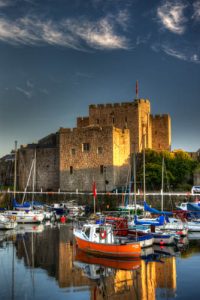
Castle Rushen
Castle Rushen, on the Isle of Man

When Hugh Kelly left Mann aged 16 he expected never to return. His parents were both dead, the family farm repossessed and the navy seemed like a good option for a penniless lad with big ambitions and no prospects. Fourteen years later he returns as a Trafalgar veteran with a healthy amount of prize money and his own command in refit at Yarmouth. He is in search of land and a home and a wife to look after them when he goes back to sea.
Roseen Crellin is determined not to give in to her father’s efforts to find her a good husband. The man she wanted has sailed away and she has no interest in a marriage to a man who sees her a convenience rather than a woman.
It seems a courtship with little future but fate intervenes unexpectedly and as Hugh sets sail to join the Royal Navy on it’s way to Copenhagen he is forced to reassess his feelings towards the girl he had not bothered to get to know, while Roseen discovers a world beyond the hills and glens of her island home and a side to herself she had never known existed.
An Unwilling Alliance is the first of my books to be set partly on the Isle of Man where I live.  It is also the first set in the very different world of the Royal Navy.  I’ve been wanted to do a Manx setting for a long time, but since I write historical novels I needed to find the right time period.  I have considered, and am still considering, a novel set in the English Civil War but I haven’t studied that period since University and it will be a lot of work.

In the end I decided to stick with my current period, helped by reading the story of Captain John Quilliam, the Manxman who served with Nelson aboard the Victory.  This is not his story but there are parallels between his progress and that of Captain Hugh Kelly, and like Quilliam, Kelly comes home to his island with his pockets well-lined with prize money and in search of a home and a wife.

I hope that An Unwilling Alliance will be published early in 2018 and will be followed by An Untrustworthy Army, book five in the Peninsular War Saga.

Ciudad Rodrigo and Badajoz – an Excerpt from A Redoubtable Citadel

The storming of the two great Spanish border citadels of Ciudad Rodrigo and Badajoz were the first step in Wellington’s campaign of 1812.  It was essential for him to hold these fortresses, known as the keys to Spain and he pushed his army to it’s limits in order to capture them, with huge loss of life and appalling loss of discipline.
 

This is not good for the men of the third brigade of the light division because if there is one thing their unpredictable Colonel hates the most it’s storming a fortress and he is very prepared to let everybody know about it…

A Redoubtable Citadel is the fourth book in the popular Peninsular War Saga, telling the story of Paul and Anne van Daan and the officers and men of the 110th light infantry through the bloody campaigns of 1812.

It was early evening and already the skies were growing darker. All day the guns had fired, a deafening bombardment of the city walls which left men with their ears ringing even after the noise had stopped but it was becoming quieter now, with longer gaps between shots and the volunteers of the 88th Connaught Rangers stood immobile, so quiet that it was possible to hear the breathing of the next man as they waited for the order to begin the assault. They were all volunteers, this band of men, forming the Forlorn Hope, the first men over the breaches. Survival would bring glory and in some cases promotion but survival was very unlikely.
Sergeant Nathaniel Higgins was not one of the volunteers but they were his men and he ran an experienced eye over them and approved their steadiness. At the front of the line were two officers, also volunteers and neither of them from the 88th. The older of the two was a dark eyed captain of thirty-five and Higgins had been told that he was up on a charge of killing a fellow officer on a duel. Disgrace was his only future and he was probably lucky to have been offered this chance to lead these men to death or glory. The younger was no more than a lad, probably twenty, an ensign and too young for this. He was pale and sweating, but seemed calmer than Higgins would have expected, and he wondered what had driven the lad to this desperate end. Debt or a woman, Higgins supposed. Sometimes the young fools did not seem to realise what they were doing when they volunteered for this or how unlikely they were to survive. They saw it as the road to glory and quick promotion. Looking at this boy, Higgins was fairly sure he knew exactly what he was doing. Intelligent grey eyes were studying the walls.
Reaching into his coat Higgins took out his battered flask and drank, then touched the boy on the arm and offered him the rum. The young officer took it and drank with an attempt at a smile, handed it back.
“You all right, sir?” Higgins said, and the boy nodded, his eyes still on the fading bulk of the citadel of Ciudad Rodrigo, looming up in the falling darkness.
A sound broke through the silence and Higgins jumped. It was a shout, a bellow so loud that every man of the Forlorn Hope also jumped and turned, peering through the darkness. A tall figure was striding from the waiting lines towards them and he did not appear to be in the least concerned at the stir he was causing.
“Oh bloody hell,” the young ensign said, and he sounded, Higgins thought, suddenly more terrified than he had seemed to be of going over the wall.
“Mr Jackman. Am I seeing things or are you actually standing there with the Connaught Rangers when you should be back in line with your men?”
The tall figure resolved itself into an officer, fair haired and hatless with a long legged stride. Close up Higgins was aware of a pair of startling deep blue eyes which were fixed with ominous intensity on the young ensign. Jackman snapped to attention and saluted, and Higgins did the same realising that the man wore a colonel’s insignia on his red coat.
“Sir. Yes, sir.”
“Don’t give me ‘yes, sir’ you bloody idiot! What the hell are you doing here?”
“Volunteered, sir. Sorry, thought you’d know. Sergeant said commanding officers would be informed…”
“I was informed, that’s why I’m bloody well here chasing after you when I ought to be back there putting the fear of God into my lads! What made you think you had the right to volunteer for this suicidal piece of lunacy without my permission? Get your kit and get your arse back to your company before I kick you so hard you’ll scale that breach without your feet touching the ground!”
Higgins cleared his throat. “Excuse me, Colonel. But the lad is right. He’s entitled…”
“Not when he’s nineteen and being a bloody imbecile he isn’t!” the colonel said. He looked at Higgins. “You going over there, Sergeant?”
“Not with this lot, sir. With my men afterwards.”
“Good man.” Suddenly the colonel smiled. “Sorry, I should have introduced myself before, we’ve not met. Colonel Paul van Daan, 110th.”
Higgins stood to attention and saluted. The extraordinary scene was suddenly much clearer; he had heard of Colonel van Daan who had been given command of the newly formed third brigade of the light division. There were many legends in the army, most of whom, in Higgins opinion, fell woefully short of their reputations but he was already beginning to see why men spoke of Paul van Daan with something bordering on awe. The colonel looked at the captain commanding the troop.
“Name and regiment?”
“Captain James Harker, sir, of the 9th.”
“Ah. I rather see why you’re here.” Van Daan studied him. “I’m sorry I wasn’t on that disciplinary board. I hope you make it, Captain. If you do, come and see me, would you? I’ve heard good things about you and you might feel that a change of scene would do you good if you get to carry on in the army. I’m always short of good officers.”
“Thank you, sir.”
Van Daan’s blue eyes shifted back to Ensign Jackman. “Captain Manson has informed me that you are in debt, Mr Jackman.”
“Yes, sir.”
“Cards?”
“Yes, sir. In pretty deep. Can’t pay. Debts of honour, sir.”
Paul van Daan studied him. “To whom? Don’t tell me any of my officers are fleecing their juniors, I’ll skin them alive!”
“No, sir. I owe most of it to an officer of the Highlanders, a major. Got into a game up at the headquarters mess…”
“Mr Jackman, when you were offered the chance to serve in my regiment, did anybody give you any information about my rules on gambling?”
Jackman’s face was visibly scarlet even through the darkness. “Yes, sir. Not to gamble above our means and never with a senior officer. Sorry, sir. But it’s not in the army regulations.”
“Fuck the army regulations, most of them are bollocks anyway, you’re in the 110th and the only regulations that matter are the ones I tell you matter! And it serves you right for going to the headquarters mess anyway, the food’s dreadful and the wine is worse. No wonder Wellington never goes near it. I will deal with the major who thinks it is a good idea to flout my rules and gamble with my juniors at a later date. If he is extremely lucky he’ll get his head blown off before I catch up with him!”
Higgins gave a choke of laughter. “They’re in reserve sir, won’t be engaged today.”
“He bloody will when I get hold of him! Captain Harker, can you manage without this young fool? Despite his evident idiocy in matters of finance, he’s a surprisingly useful officer and I’d like him to go over with his men.”
Harker was smiling. “Gladly, sir.”
“Good. Jackman, if it becomes necessary I will settle your blasted debts of honour myself and you can pay me back gradually. And if I ever see you near a card table for anything greater than a penny a point I am going to shoot you in the head and display your bloody body as a warning to others. Now piss off back to your company and be thankful that I don’t have time to kick the shit out of you as you richly deserve! Move!”

(From A Redoubtable Citadel by Lynn Bryant)

Battle of Fuentes de Onoro- an excerpt from An Uncommon Campaign; book 3 of the Peninsular War Saga

An Uncommon Campaign, 110th at the Battle of Fuentes d'Onoro
An Uncommon Campaign, 110th at the Battle of Fuentes de Onoro

The Battle of Fuentes de Onoro took place in May 1811 on the border between Portugal and Spain as Lord Wellington led his army to invest the fortress of Almeida.  Much of the action took place in the narrow streets of the village, with brutal and bloody hand to hand fighting.  The battle is at the heart of An Uncommon Campaign.

Wellington admitted himself once the battle was over that it had been a near-miss.  He had extended his line along a ridge above the village with the intention of keeping his potential line of retreat back to Lisbon open, but on this occasion he over-extended himself and the newly formed seventh division found itself stranded out on his right, under huge pressure from the French.  Massena was desperate for a win, knowing that his difficulties over the past year had left him unpopular with his Emperor and victory for Wellington was by no means certain.

His right was saved by the light division.  General Robert Craufurd had been on leave in England for several months and Wellington’s crack troops had been under the leadership of the disastrous Sir William Erskine who had made a number of atrocious mistakes.  After Sabugal, Wellington moved Erskine over to the fifth division and Craufurd arrived back with his men on the battlefield on the eve of the battle and proceeded to show the army how it was done by performing an outrageously perfect fighting retreat over several miles of open country under constant attack in order to rescue the beleaguered seventh division and shift Wellington’s line to something more defensible.

In the novel, the final square in this retreat was commanded by Colonel Paul van Daan of the 110th who encounters a French cavalry colonel whom he had met a few days earlier during skirmishing out on the road towards the village…


Thatcher had wheeled his horsemen again and was bringing them round to take a pass back at the guns which Dupres had ordered up against the 110th. Even at a distance, Paul could hear him calling his cavalrymen into line and he felt a surge of sheer horror as he realised.
“Jesus Christ, he’s going to cut them off! The rest of his men are behind that outcrop!”
He ran towards Nero and swung himself into the saddle yelling, but the Allied cavalry had already begun to gallop towards the guns, sabres ready. The gunners were limbering up and preparing to move, and Paul saw Dupres swing around and give a signal. To the rear of Thatcher’s small troop, a mass of French cavalry appeared, and Dupres galloped his men forward, trapping Thatcher’s men neatly between the rocky ridge and the solid lines of the 110th. They were vastly outnumbered, and half of Dupres’ men were armed with lances. Paul felt his guts twist in horror. The only possible help he could give would involve opening his square and once it was broken, the French would be in and his men would be slaughtered.
Paul swung around. “Carter, four ranks. Hold square, but back three ranks loaded and ready. Take out every one of them you can.”
Thatcher had realised his danger, but there was no option but to carry on. He raised his sword and pulled out at the head of his men, thundering down towards Dupres and his cavalry. Paul slid from Nero’s back and ran to the side of his square nearest to the approaching cavalry. He placed a hand on the shoulders of the nearest men.
“On my word,” he said softly. “Open up.”
He saw Carl look over, appalled, but he did not look back at him. Around him the rifles and muskets had opened fire, and Dupres cavalry were beginning to fall. Paul stood waiting, watching the Allied cavalry approach.
“Now,” he said, and his square parted.
Thatcher saw the move and Paul saw him haul back on the reins with a yell. His horse reared up and he was shouting orders. His troopers wheeled sharply right and rode into the centre of the square, pulling up quickly and shuffling close together to make space. Paul found that he was counting them in as his men continued to pound in three ranks into the approaching French cavalry. The centre of the square was becoming crowded but the horses and men were highly trained and stood very still, leaving space for more. Paul watched, his heart in his mouth as Dupres’ men moved in towards the gap. There were fewer of them, but he knew he had only moments left before they broke into the square. Looking up he saw Thatcher watching, and then the boy looked over at him. There were twenty cavalrymen still outside the square. Thatcher lifted his hand and then wheeled and yelled to his men. Paul watched in sick horror as the men thundered away, galloping on towards Dupres.
“Close it!” he yelled.
The gap closed smoothly, and the rifles and muskets continued to fire. Paul looked over to where Dupres waited and saw the Colonel looking directly back at him. The Frenchman’s face was flushed. He stared at Paul, and Paul looked back. Dupres’ lips curved into a smile and he lifted his sabre and yelled an order, and Thatcher’s men crashed into him, with the other half of the Frenchmen hitting them from behind.
It was short and brutal. Paul’s rifles continued to fire where they they could but the muskets were silenced;  it was impossible to aim at the French without risking hitting the English. It was quickly over, and the English cavalrymen were cut down. Around him, Paul could sense the distress of his men and of the rest of the troop. They had all seen deaths in battle many times, but there was something deliberately cruel about the massacre of twenty men within a few feet of them. Paul could no longer see the young captain, but Thatcher’s horse was loose and galloping off and he stood watching, feeling tears behind his eyes. The French cavalry massed around the English troopers who were on the ground, and then there was a thunderous volley of fire, and Paul looked up and saw that Crauford was up on the ridge and the light division were lined up, rifles at the front, firing volleys down on the French.
Dupres wheeled his horse with a shouted order and the French were on the run, some of them falling as they galloped away, their Colonel at their head. The rifles of the 110th thundered out and the last half dozen of the cavalry fell from their horses as Dupres men rode out of reach. Paul watched, feeling sick and grief-stricken. For a moment, unusually, he felt unable to move or speak. Around him the guns still fired and he moved his eyes to the bodies on the ground.
He felt a hand on his shoulder. “We need to get moving, Paul,” Carl said quietly, and Paul stirred and nodded and looked over to the lines.
“Open up,” he said to Carter. “Let the cavalry out first.”
He stood watching as the men filed out, then called his men into line and let his officers lead them up onto the ridge to join the rest of the light division. Further away he was conscious of the French infantry advancing in column but they were too far away to be an immediate concern. As his men moved ahead, Paul broke away and ran to where the bodies of the English cavalry lay.
Captain Thatcher lay on his back and his body had been slashed over and over. Across his throat was a savage cut, which reminded Paul of what had almost happened to Manson. Thatcher’s eyes were open, staring at the sky. Paul reached out and closed his eyes very gently.
“Colonel van Daan!”
He recognised the bellow of General Craufurd from the ridge above. Ignoring it, Paul stooped and lifted the long form of the young captain. He moved forward towards the lines, and saw several of his men break away and come back, ignoring the yells of their general. Carter, Hammond and Dawson came to assist him and they carried Captain Thatcher’s body up the ridge and behind the lines.
At the top Paul stepped back and let his men carry Thatcher to the back. Craufurd came forward.
“Colonel van Daan. That has to have been one of the…”
Paul swung around. “Don’t!” he said softly, and Craufurd stopped.
“Well done, lad,” he said quietly, and Paul shook his head.
“No it wasn’t. I couldn’t save him. I stood there and watched that bastard cut him down and I couldn’t do anything to help him. And he came in to save our arses.”
Craufurd put his hand on Paul’s shoulder. “I know, Colonel. Nastiest thing I’ve ever seen on the field, they could have taken them prisoner, no need for that. Come on, get back to your men. Nothing more you can do for him now.”
Paul nodded and turned away, making his way over to his lines. His men had taken up position on the edge of the ridge. Mechanically he checked their lines and approved the rocky outcrops behind which they were stationed. He was conscious of his immense pride in them. Their retreat across the plains had been a textbook piece of infantry work and at some point he wanted to tell them so, but his eyes and ears were still full of the tragedy of Thatcher’s pointless death.
Craufurd had moved away and was speaking to one of the Spanish runners, giving him a message to take to Lord Wellington. Paul watched, feeling curiously detached. Craufurd moved away and came back towards him.
“They’ve attacked Fuentes de Onoro again,” he said briefly. “They’ve got the highlanders fighting down there, they’re holding their own. We’re to hold up here, wait and see what those infantry columns do. They might attack, although we’re in a strong position up here.”
“Yes, sir,” Paul said. Craufurd nodded and moved away up towards the first and second brigade to speak to Beckwith and Drummond. Paul turned and looked out over the French columns, three infantry divisions moving into place to threaten the British lines. Silently Paul assessed the distance and the situation and then he turned and yelled an order.
Shock rippled through the first division and light division as the 110th fired. Their first tremendous volley ripped into the first line of French infantry and blew them apart. Craufurd moved forward with an oath.
“What the bloody hell is he doing?” he said furiously.
There was another enormous blast of gunfire and the second French rank exploded. It had taken them that long to realise, incredulously, that the British were not waiting for them to attack. Under shouted orders from their commanders they fell back quickly, dragging some of their wounded with them. Paul stood watching their frantic movements, his face expressionless.
“Major Swanson, Major Clevedon, Colonel Wheeler. You’ve got the range. Any one of them steps within it, I want him dead. See to it.”
“Yes, sir,” Johnny said quietly, and watched as his commander walked away and back up to where Craufurd waited with Beckwith and Drummond.
“This could be interesting,” Clevedon said mildly.
“Yes. Bet Craufurd is wishing his holiday had lasted longer,” Carl said with a grin. There was something about the set of his commander’s back which suggested that he was ready to take on General Craufurd and possibly Lord Wellington as well. “All right, Sergeant, you heard what the colonel said. Keep them loaded and if there’s a Frenchman you can hit, he’s dead. The colonel is seriously pissed off with them and I do not want him pissed off with us as well, it’s never pleasant.”
Paul approached Craufurd, saluted silently and waited.
“I did not give permission for your men to open fire, Colonel!” Craufurd said furiously.
“No, sir. I did that.”
“Without orders! What in God’s name is wrong with you, Colonel? You’ve been in command of a brigade for five minutes and you already think you don’t have to follow my commands.”
“Sorry, sir.”
“Sorry? What do you mean, sorry? You’re not fucking sorry at all!”
“No, sir. Not at all. Just being polite.”
“Polite?” Craufurd looked as though he might explode. Paul glanced at Beckwith and Drummond then back at his chief.
“Permission to go back to my men, sir?”
“Van Daan, you are an arrogant young bastard without any respect for authority or…”
“Yes, I have, sir. Immense respect for authority, especially your authority. I could point out that you didn’t tell me not to fire those volleys, but you and I both know that would be nit picking! I fired them because I’m fucking angry and I felt like letting them know that they cut down our men like that and I’m going to fucking slaughter them any chance I get! And you know what? I think they got the fucking point! Let’s see how quickly they come forward against my lads again today, shall we? And if Lord Wellington is looking for volunteers to march down to Fuentes de Onoro and kill a few more of them, you just let me know because I’m in the mood! Permission to go back to my men, sir?”
Craufurd studied him for a moment. Unexpectedly he said quietly:
“Go ahead, Colonel.”
“Thank you, sir.”

(From An Uncommon Campaign; Book 3 of the Peninsular War Saga by Lynn Bryant)

Church in Fuentes de Onoro.

For regular updates on this site including history, travel, book reviews and plenty of labradors (and a few freebies thrown in) please join the e-mail list here.

Excerpt from An Unconventional Officer

An Unconventional Officer
Book 1 of the Peninsular War Saga

Excerpt from An Unconventional Officer: how to deal with an insult to your wife…

Paul arrived on the parade ground in time for early drill, and he was amused to see that every one of the officers of the 110th were present. He wondered what they were expecting him to do, and what any of them imagined they could do to stop him. Carl approached him as the men marched out.
“How is Rowena?” he asked.
“She’ll be all right. Of course it might take me another two years to get her to attend a social event again. Anybody seen Tyler yet?”
Carl shook his head. “Sleeping it off, I imagine. He made a complete arse of himself, Paul, and he’ll need to apologise. But…”
Paul studied his friend. He was remembering Rowena as she had looked this morning, her fair hair tumbled across the pillow and her eyes still looking slightly swollen from crying so much.
“I certainly think an apology is in order, Carl. I’ll remember to mention that to him.”
Paul walked across the yard to the barracks block. Johnny joined Carl. “I had a feeling this was going too well,” he said.
“Oh bloody hell, this is not looking good!” Carl said. “What in God’s name is he doing?”
Sergeant O’Reilly joined them. “I thought you said he looked fairly calm last night?” he said.
“Sometimes I get things wrong, Sergeant.”
Paul walked into the barracks of the light company. At one end of the room were two waste buckets, not yet emptied into the latrines. Both were full and reeking. He picked one up and went back out into the square. Officers and men of the 110th watched him in frozen horror as he approached the officers’ block.
“Oh no,” Carl said.
“Jesus, he isn’t going to…?” Withers said in awe.
“Do you think Tyler locks his door?” Young said.
“I don’t think it matters whether he does or not,” Johnny said. Paul had disappeared into the block and there was a sudden explosion of sound, echoing around the silent parade ground as Captain Tyler’s door was kicked open, breaking the lock. After a long moment there was a bellow of horrified rage and disgust.
Captain van Daan reappeared carrying the empty waste bucket, which he dropped by the door. He walked over to the pump. A bucket, already full of icy well water, stood beside it. He picked up the bucket and disappeared back into the block, and a second outraged scream followed the first. Paul re-emerged and set the bucket down. Behind him Tyler exploded into the yard in his nightclothes, urine, excrement and cold water streaming off him. He was yelling profanities at Paul’s uninterested back.
“Carl, I’d a note this morning from Wellesley asking me to call. Apparently he’s had news from London. Will you finish drill and inspections? You might want to get a carpenter to fix Mr Tyler’s door for him, tell them to send the bill to me, would you? And get four volunteers to clean up his room; it’s a bit of a mess. Tell them there’s a bottle or two in it for them, and a present for whichever lass has to do the laundry.”
“Yes, sir,” Carl said without expression.
“Thank you.”
“You are not getting away with this, you arrogant bastard!” Tyler yelled.
Paul turned. “You owe my wife an apology, Tyler. I suggest you put it in writing before the end of the day; I don’t want her upset by the sight of you! And you go anywhere near her again or say anything more personal than ‘good day’ to her; I will throw you through a window without bothering to open it first. Have I made myself perfectly clear?”
“By God, sir, I’m not letting you get away with this! I’ll see you at dawn, sir!”
“It is fucking dawn, Tyler, and it’s not an hour that you see very often, but I’ll be out here every day at this time, so if you want to go and find a sword or get a pistol and give me the opportunity to make you look like an even bigger twat than you already do, go right ahead, and I’ll just wait here for you! I’m not here to prat around with you, I’m here because I’m ordered to be here, and actually I’m fairly pissed off about it because I’d rather be killing Frenchmen. But if you want to give me a bit of extra practice, you just let me know right now!”
There was complete silence around the parade ground. Into it, Paul said:
“No. I thought not. Then if you’ll excuse me, I need to go and see the Chief Secretary, and I suggest you get a bath, because I can smell you from here. And don’t forget to write that letter to my wife, or you’ll be woken up tomorrow morning with two buckets of that. Good morning.”
(From An Unconventional Officer by Lynn Bryant, Book 1 of the Peninsular War Saga, available on Amazon kindle and in paperback)

The Border Reivers

A Marcher Lord - a story of the Anglo-Scottish borders

LiddesdaleFor 300 years the people of the Anglo-Scottish Border region lived in a war zone. Invading armies caused terror, destruction and death and the ongoing conflict forged men who were expert raiders and cattle thieves, owing loyalty to none but their own clan, their own surname.  We have come to know them as the Border Reivers.
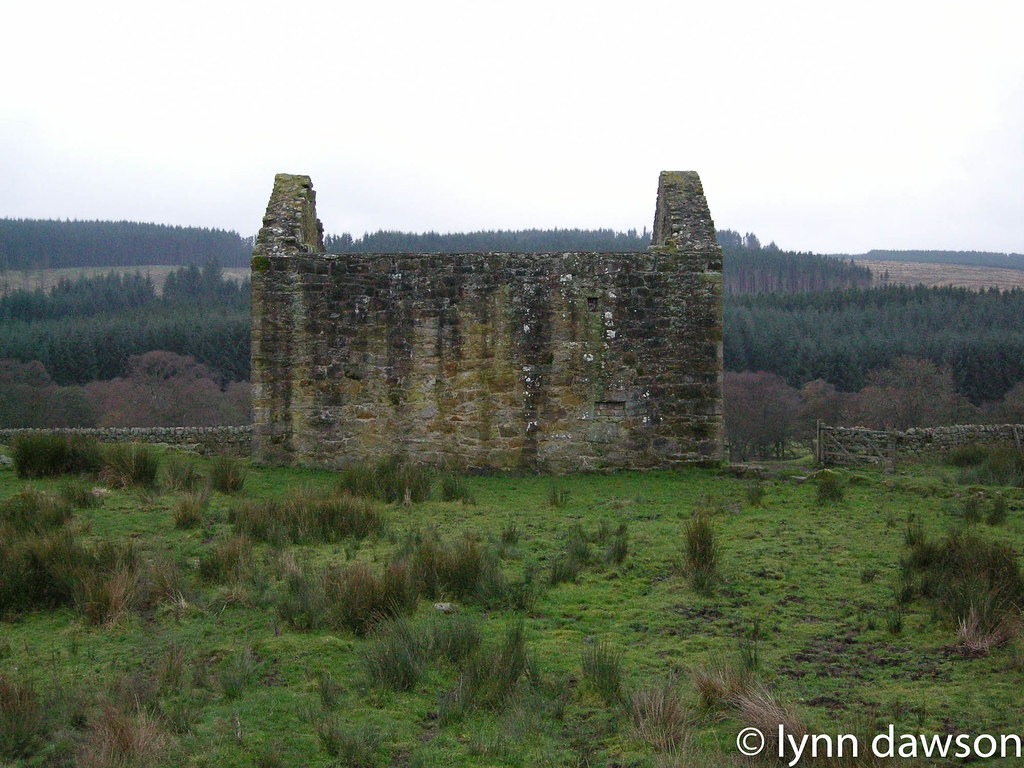
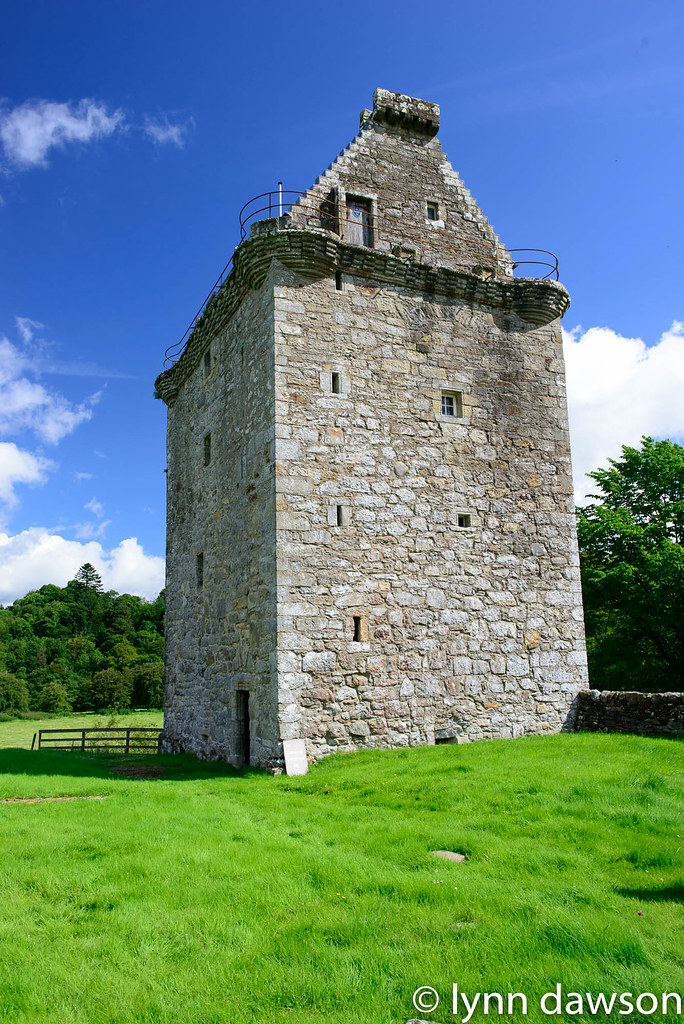
Since the Middle Ages, England and Scotland were often at war, and the people who suffered most were the ordinary folk of the Anglo-Scottish borders.  Their livelihood was torn apart by the wars and even in times of peace, ongoing tension was high and royal authority on either side could not be relied upon to keep their people safe.

The Borderers found their own solution.  Families, kindred and surnames sought security through their own means, using strength, cunning and a degree of ruthlessness which was nothing less than piracy on land to improve their lot at the expense of whoever appeared to be their enemy at the time.  Over the years feuds and enmities grew to enormous proportions and loyalty to kin and surnames overrode any sense of national loyalty.  With any man and his family a potential target for depredations, it became important to know where it was safe to bestow trust.

It was a predatory way to live, not helped by the local inheritance system of gavelkind, by which estates were divided equally between all sons on a man’s death, so that many people owned insufficient land to maintain themselves.  Much of the border region is mountainous or open moorland, unsuitable for arable farming but good for grazing. Livestock was easily stolen and driven back to raiders’ territory by mounted reivers who knew the country. The raiders also often stole portable household goods or valuables, and took prisoners for ransom.

The attitudes of the English and Scottish governments towards the border families moved between indulgence and encouragement, as these martial families acted as the first line of defence against invasion across the border, to furious and brutal punishment when their lawlessness became impossible for the authorities to tolerate.

“Reive” is an early English word for “to rob” and is related to the  old English verb reave, meaning to plunder or to rob and to the modern English word “ruffian”.  The reivers were both English and Scottish and raided both sides of the border impartially, so long as the people they raided had no protection and no connection to their own kin. Their activities, although usually within a day’s ride of the border, might extend both north and south of their main riding areas. English raiders had been known to raid the outskirts of Edinburgh, and Scottish raids had been seen as far south as Yorkshire. The largest of these was The Great Raid of 1322, during the Scottish Wars of Independence, which reached as far south as Chorley. The main riding season ran through the early winter months, when the nights were longest and the cattle and horses fat from summer grazing. The numbers involved in a raid might range from a few dozen to three thousand riders.

When riding, the reivers rode light on hardy nags known as hobbies, renowned for their ability to pick their way over the boggy country.  They wore light armour such as jacks of plated steel, a type of sleeveless doublet into which small plates of steel were stitched and metal helmets such as burgonets or morions; hence their nickname of the “steel bonnets”. They were armed with lances and small shields, and sometimes also with longbows, or light crossbows and later on in their history with one or more pistols. They also carried swords and dirks.

During the sixteenth century, areas of the borders were a virtual “no man’s land”.  The Wardens of the Marches, both Scottish and English, made periodic attempts to bring some of the major riding families under control although corruption was rife and some of the Wardens were reivers themselves while many of them turned a blind eye to raiding, theft and the system of Black Rent – the origin of the work Blackmail.

The ordinary people of the borders adjusted to the system, suffered, paid, were burned out and sometimes died.  It was a time of great brutality and intermittent wars between England and Scotland only added to the confusion and the problem.  Feuds between families could last for decades and the original reason for the blood feud was often forgotten in the blood and death which followed.  Scott killed Kerr and Maxwells hunted Johnstones, and surnames across the border united against a common enemy with kinship held far higher than national loyalty.

In 1525, the Archbishop of Glasgow took it upon himself to excommunicate the Border thieves.  It is doubtful if the riding surnames were very impressed having long since given up on both church and state but the curse was ordered to be read from every pulpit in the diocese and be circulated throughout the length and breadth of the Borders.

I DENOUNCE, PROCLAIMS, AND DECLARES all and sundry the committers of the said of innocents murders, slaughters, burning, inheritances, robbery, thefts, and spoilings, openly upon day light and under silence of night, as well as within temporal lands as church lands; together with their part takers, assisters, suppliers, knowingly and of their persons, the goods snatched and stolen by them, art or part thereof, and their counsellors and defenders, of their evil deeds generally cursed, waking, aggravated, and re-aggravated, with the great cursing.

“I CURSE their head and all the hairs of their head; I CURSE their face, their eyes, their mouth, their nose, their tongue, their teeth, their skull, their shoulder’s, their breast, their heart, their stomach, their back, their womb, their arms, their legs, their hands, their feet, and every part of their body, from the top of their head to the sole of their feet, before and behind, within and without. I CURSE them going, and I CURSE them riding; I CURSE them standing, and I CURSE them sitting; I CURSE them eating, I CURSE them drinking; I CURSE them walking, I CURSE them sleeping; I CURSE them rising, I CURSE them lying; I CURSE them at home, I CURSE them from home; I CURSE them within the house, I CURSE them without the house; I CURSE their wives, their children and their servants (who) participate with them in their deeds.

I Worry their corn, their cattle, their wool, their sheep, their horse, their swine, their geese, their hens, and all their live goods (animals).
I Worry their houses, their rooms, their kitchens, their stables, their barns, their byres, their barnyards, their cabbage patches, their ploughs, their harrows, and the possessions and houses that are necessary for their sustentation and welfare. All the bad wishes and curses that ever got worldly creature since the beginning of the world to this hour might light upon them. The malediction of God, that lighted upon Lucifer and all his fellows, that struck them from the high heaven to the deep hell, might light upon them. The re and the sword that stopped Adam from the gates of Paradise might stop them from the glory of Heaven, until they forbear and make amends. The bad wishes that lighted on cursed Cain, when he slew his brother just Abel guiltless, might light on them for the innocent slaughter that they commit daily. The malediction that lighted upon all the world, man and beast, and all that ever took life, when all were drowned by the flood of Noah, except Noah and his ark, might light upon them and drown them, man and beast, and make this realm free of them for their wicked sins. The thunder and lightning that set down as rain upon the cities of Sodom and Gomorrah, with all the lands about, and burnt them for their vile sins, might rain upon them, and burn them for open sins. The bad wishes and confusion that lighted on the Gigantis for their oppression and pride, building the tour of Babylon, might confound them and all their works, for their open disregard and oppression. All the plagues that fell upon Pharaoh and his people of Egypt, their lands, corn and cattle, might fall upon them, their leases (of land), rooms and buildings, corn and animals. The river of Tweed and other rivers where they ride might drown them, as the Red Sea drowned King Pharaoh and his people of Egypt, pursuing Gods people of Israel. The earth might open, split and cleave and swallow them alive to hell, as it swallowed cursed Dathan and Abiron, that disobeyed Moses and command of God. The wild re that burnt Thore and his fellows to the number of two hundredth and fty, and others 14,000 and 700 at anys, usurping against Moses and Aaron, servants of God, might suddenly burn and consume them daily disobeyed and commands of God and holy church.

The malediction that lights suddenly upon fair Absolom, riding contrary to his father, King David, servant of God, through the wood, when the branches of a tree knocked him off his horse and hanged him by the hair, might light upon them, untrue Scots men, and hang them suchlike that all the world may see.

The malediction that lighted upon Olifernus, lieutenant to Nebuchadnezzar’s, making war and hardships upon true Christian men; the malediction that lighted upon Judas, Pilot, Herod and the Jews that cruci ed Our Lord, and all the plagues and troubles that lighted on the city of Jerusalem therefore, and upon Simon Magus for his treachery, bloody Nero, cursed Ditius Magcensius, Olibrius, Julianus, Apostita and the rest of the cruel tyrants that slew and murdered Christ’s holy servants, might light upon them for their cruel tyranny and martyrdom of Christian people. And all the vengeance that ever was taken since the world began for open sins, and all the plagues and pestilence that ever fell on man or beast, might fall on them for their open evil, slaughter of guiltless and shedding of innocent blood. I SEVER and PARTS them from the kirk of God, and deliver them alive to the devil of hell, as the Apostil Saint Paul delivered Corinth. I exclude the places they come in for divine service, ministration of the sacraments of holy church, except the sacrament of baptising only; and forbid all churchmen to take confession or absolve them of their sins, which they be rst absolved of this cursing.

I FORBID all Christian man or woman to have any company with them, eating, drinking, speaking, praying, lying, standing, or in any other deed doing, under the pain of deadly sin.

I DISCHARGE all bonds, acts, contracts, oaths and obligations made to them by any persons, other of law, kindness or duty, so long as they sustain this cursing; so that no man be bound to them, and that they be bound to all men. I Take from them and cry down all the good deeds that ever they did or shall do, which they rise from this cursing. I DECLARE them excluded of all matins, masses, evensongs, mourning or other prayers, on book or bead; of all pilgrimages and poorhouse deeds done or to be done in holy church or by Christian people, enduring this cursing.

“And, nally, I CONDEMN them perpetually to the deep pit of hell, to remain with Lucifer and all his fellows, and their bodies to the gallows of the Burrow Muir, rst to be hanged, then torn apart with dogs, swine, and other wild beasts, abominable to all the world. And their life gone from your sight, as might their souls go from the sight of God, and their good fame from the world, which they forbear their open sins aforesaid and rise from this terrible cursing, and make satisfaction and penance”.

The Archbishop seems to have lost patience with the Reivers and one imagines he was not the only one to do so.

In modern times the story of the Border Reivers has been brilliantly told in histories by George MacDonald Fraser in The Steel Bonnets and by Alistair Moffat in The Reivers.  In fiction, Dorothy Dunnett covered the difficulties of establishing law and order on the borders in the literary brilliance of the Lymond Chronicles and more recently P F Chisholm, alias Patricia Finney has told the fictional story of the real life Warden Sir Robert Carey in an excellent series of novels which have recently been reissued in omnibus editions, the first of which is Guns in the North.

My own contribution to the story of the Border Reivers is A Marcher Lord, set during the Wars of the Rough Wooing when Edward VI’s government under the Lord Protector Somerset tried to capture the baby Mary Queen of Scots in order to marry her to their young King.  The novel tells the story of a Scottish border lord, loyal to the Crown and a young Englishwoman new to the borders with no fixed loyalties but a wealth of experience of the mercenary bands of Europe.

The Anglo-Scottish borders are one of my favourite parts of the world.  I love the countryside, the history and the people.  Many of my books are set in the Peninsular War of the early nineteenth century but I enjoyed my research into sixteenth century Scotland and I intend to return soon to find out what Will and Jenny did next…


The Historical novels of Lynn Bryant so far – finding the links…

An Unconventional Officer
Book 1 of the Peninsular War Saga

In the historical novels of Lynn Bryant so far, those of you have read all of them will have realised that most of them are linked in some way.  I thought I’d provide a short guide to finding the links.

I’ve always enjoyed a good series of books, which is what led me to starting the Peninsular War saga.  But I also like to discover connections between characters in other books which I might not have expected.

I’ve had messages from a lot of people working their way through the novels asking about sequels.  To be completely honest, when I started out I’d written the first four books in the Peninsular War saga and three standalone historical novels.  Chatting to readers online, however, quickly made me realise two things.  Firstly that other people love connections and sequels as much as I do and secondly, that there were so many common themes and links in my books that it was very easy to introduce my characters to one another.  With the exception of A Marcher Lord which is sixteenth century, all my books so far are set in the nineteenth century, a lot of them during the Regency and the time of the Napoleonic Wars.  All of them feature connections with the army, either a soldier or an ex-soldier.  More than one of my characters came from Leicestershire or Yorkshire.

Out of that came the idea that I could very easily link my books together, creating a historical world within the wider, real historical period.  It required very little effort to change a regiment.  Some of the links fell into place completely by accident.  I’d given the same surname to Kit, a soldier of the Victorian era and Gervase Clevedon, one of the minor characters in the Peninsular books, but when I realised that Kit had inherited from an uncle, I quickly worked out that Gervase could very easily have been that uncle.  Other connections were created deliberately.  Before I published The Reluctant Debutante, I was well aware that Giles Fenwick had started his army career in my fictional regiment the 110th.

I’m enjoying my little world.  In addition to adding interest for my readers, it gives me a wealth of new ideas for books and characters.  A minor character in one book has the ability to become a major one in another.  The downside is that depending on the order in which the books are published and read, there will be some spoilers although I will try to keep these to a minimum.  We already know, for example, a few of the characters from the 110th who definitely survived Waterloo.  On the other hand, we don’t know all of them…

For those who have only read one or two of the books, I thought I’d provide a guide to the characters and their connections which I’ll add to and repost as new books are published.  I’ve listed the books here in chronological order rather than publication order.

A Marcher Lord

So far this one is a standalone novel.

An Unconventional Officer

The first in a series of around ten books set in a fictional regiment, the 110th infantry, during the early nineteenth century.

An Irregular Regiment

Direct sequel to an Unconventional Officer this follows the lives of officers, men and their women through the campaign season of 1810 – 11.

An Uncommon Campaign

Direct sequel to An Irregular Regiment this follows the 110th through 1812 and the battle of Fuentes d’Onoro.

A Redoubtable Citadel

Direct sequel to An Uncommon Campaign, to be published in September 2017 this follows the characters of Wellington’s army through the campaigns of 1813 as far as the storming of Badajoz and the push into Spain.

A Regrettable Reputation

A Regency romance following the story of Nicholas Witham.  Like Giles, Nicholas sold out of the 110th after Waterloo.  Nicholas appears for the first time in An Untrustworthy Army, book five in the series which is currently being written, along with his closest friend Simon Carlyon.  Simon is the younger brother of a major character in An Unconventional Officer and I suspect we’ll be seeing more of Simon.  There is also the opportunity in this book to see a little of the rest of Anne van Daan’s family, back home in Yorkshire.  In addition there is a cameo appearance from the Earl of Rockcliffe.

The Reluctant Debutante

This is a Regency romance following the story of Giles Fenwick, Earl of Rockcliffe who was formerly a junior officer of the 110th and then one of Wellington’s exploring officers.  He is first mentioned in An Irregular Regiment and will crop up from time to time throughout the Peninsular War saga.  There are several mentions through the book of characters Giles has known from his war service whom you will have met in the other books.

A Respectable Woman

This is set in Victorian times.  Kit Clevedon, the hero of this book, is the nephew of Gervase Clevedon from the Peninsular War series, and the officers Philippa meets in Africa are from the 110th.

An Engaging Campaigner

This book is currently being written and it’s a working title.  It is the sequel to A Respectable Woman and tells the story of Kit and Philippa’s children.

In terms of chronology, there are a number of books in the series which will slot in to this list.  I’ve been asked about sequels to most of the books by now, and I’d love to do it but I can’t say when.  Sometimes a book just suggests itself.

For regular updates on this site including history, travel, book reviews and plenty of labradors (and a few freebies thrown in) please join the e-mail list here.


Writing with Labradors Updates

An Unconventional Officer - love and war in Wellington’s army

Writing with Labradors updates

DSC_4238.jpg

Writing with labradors has undergone a few changes this week which will hopefully make the site easier to follow.

One new feature is the freebies page which now includes the first chapter of all seven published books.  It also includes the first chapter of book 4 of the Peninsular War Saga.  A Redoubtable Citadel comes out next month and takes Paul van Daan and the 110th through the horror of Ciudad Rodrigo Badajoz and puts Anne in the worst peril of her adventurous life.  Read chapter one here.

A Redoubtable Citadel

In addition to the sample chapters, I intend to upload a few other freebies as I go along so watch this space for more Writing with Labradors updates and improvements.

I’m also intending to introduce a separate travel section for those of you who are interested in history and might be considering visiting some of the areas depicted in the books.

Thanks to all of you who are following both this site and the Facebook page, reading the books and taking the time to review and rate them on Amazon and Goodreads.

If you want regular updates, articles and information on history, travel, book reviews and a few freebies thrown in, you can now join the e-mail list here.

DSC_4232.jpg

New Regency Romance A Regrettable Reputation Out Today

New Regency Romance A Regrettable Reputation is out today on Amazon kindle.

In 1816 war is over, Napoleon in exile and Regency England is at peace.

Mr Nicholas Witham, land agent at the Yorkshire estate of Lord Ashberry has found a haven of quiet, far from the bloodshed of war and the horror of Waterloo.  With poachers and lost sheep his most pressing concerns, Nicholas is not seeking anything more exciting than the occasional trip to York and a game of cards with friends.

The tranquillity of Ashberry is about to be disrupted by the arrival of Miss Camilla Dorne, a young woman of doubtful reputation, sent away from London by her guardian to avoid the consequences of a disastrous and very public love affair with a disreputable officer which has broken her heart.

An army officer, past or present, is the last man Camilla wishes to spend time with.  But she discovers that a lost reputation can bring unexpected freedom and possibly a second chance at happiness.

With the shadow of war firmly behind him, Nicholas is ready to move on but poverty and rising prices bring rumblings of discontent and rumours of Luddite activity in the industrial towns, and as violence erupts, the land agent of Ashberry finds himself swept up in a new conflict where the enemy is hard to identify.  Faced with a stark choice between love and duty, Nicholas is beginning to realise that he may not have left the regiment behind at all…

This is my second Regency romance and I thoroughly enjoyed writing it.  I wanted to experiment with a slightly different kind of hero and heroine and I have got very attached to Nicholas and Camilla.  Set in Yorkshire at the dawn of the Industrial Revolution it tells of poverty and public unrest as well as a love story between two people recovering from very different scars who are thrown together by circumstances.  For Nicholas the damage done by Waterloo runs deeper than his physical injuries while Camilla has been badly hurt by an unscrupulous fortune hunter and an uncaring guardian.

I hope you enjoy reading this as much as I enjoyed writing it.


WordPress Appliance - Powered by TurnKey Linux